
Ontario homeowners looking for ways to add rental income or house family members are discovering the benefits of the additional residential unit. Known widely as an ARU, this type of independent dwelling can be built within, attached to, or detached from a primary house on a residential lot. With changes to the Planning Act through Bill 23 and the Homes Built Faster Act, the province has made it simpler than ever to create these spaces across settlement areas.
Whether you own a single detached, semi-detached, or townhouse property, this guide walks through what ARUs are, where they can go, and what steps you need to take before construction begins.
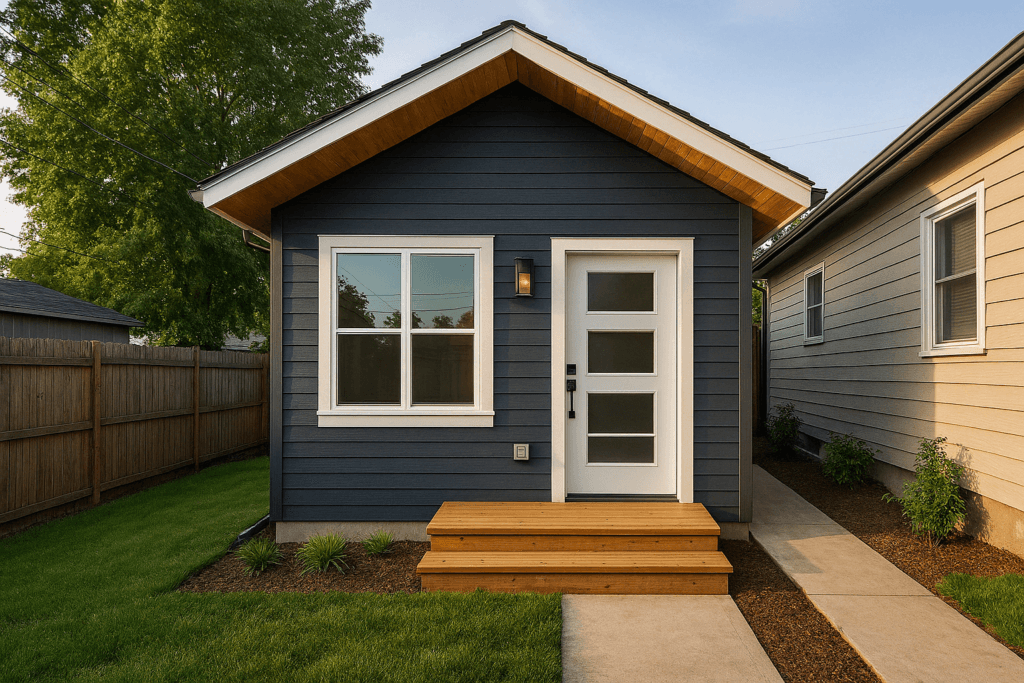
What Is an Additional Residential Unit?
An additional residential unit is a self-contained dwelling unit located on a parcel of urban residential land. Each ARU includes a kitchen, bathroom, sleeping area, and its own entrance, making it a fully independent living space. Common names for these dwellings include second unit, garden suite, coach house, laneway house, or basement apartment.
The Ontario Second Unit Guide confirms that property owners can legally add up to two additional residential units on a single lot in many urban areas. One might sit inside the principal dwelling as a lower-level suite, while the other could be a detached accessory building such as a tiny home in the backyard.
Why ARUs Matter for Housing Supply in Ontario
The availability of additional housing contributes directly to the housing supply that Ontario needs. Rather than building new subdivisions, ARUs let municipalities increase housing density on existing residential lots. This approach works especially well in established neighborhoods where land is scarce but demand for rental units continues to grow.
Provincial policy now directs municipalities to permit additional residential units as-of-right in zones where residential uses are permitted. Properties connected to municipal water and sewage service qualify in most cases, which opens the door for thousands of homeowners across Ontario to build additional dwelling units without a zoning amendment.
Create an ARU: Types You Can Build
More than one type of ARU is available depending on lot size, property lines, and the local zoning by-law. Here are the main categories:
- Interior unit: Built within the footprint of the existing home. A basement apartment is the most common example. This option typically has the lowest construction cost because it uses an existing structure.
- Attached unit: An accessory dwelling added to the side or rear of the house. It shares at least one wall with the primary dwelling but has its own entrance and separate living quarters.
- Detached unit: A standalone building on the property such as a garden suite, laneway house, tiny home, or converted garage. Coach houses and secondary suites above a garage also fall into this category.
Every unit must meet the Ontario Building Code, comply with fire safety separation requirements, and follow the applicable zoning by-law for your municipality. The floor area of the dwelling, ceiling height, parking requirements, and room dimensions all factor into approval.
Building Permit and Code Requirements
Obtaining a building permit is a required step before any construction of an additional residential unit can begin. Your local municipal office reviews drawings to confirm compliance with the building code and zoning regulations. Key areas they check include:
- Fire separation between the new unit and the existing residential unit
- Minimum floor area and ceiling height for each room
- Ventilation, plumbing, gas, and electrical service standards
- Parking space requirements under the by-law
- Property line setbacks and lot coverage limits
If your property does not fully conform to the zoning by-law, you may need to apply for a minor variance through the local committee of adjustment. Working with a professional experienced in accessory dwelling unit development can speed up this process and reduce the risk of delays.
The Process for Planning and Creating an ARU
Here is a step-by-step overview of the process for planning your ARU project:
- Check zoning: Review the official plan and zoning by-law for your zone. Confirm that ARUs are permitted on your lot and note any restrictions on building size or placement.
- Design the space: Hire a designer or architect to prepare drawings. The design must show an independent dwelling with proper egress, fire safety, and accessibility features.
- Apply for the building permit: Submit plans and fees to the municipal building department. The fee varies by municipality but is typically a few hundred dollars.
- Begin construction: Once the permit is issued, start building on the property. All work must follow the Ontario Building Code and any conditions attached to the permit.
- Final inspection: After construction, a municipal inspector visits to verify that the finished space meets all code requirements and matches the approved drawings.
Costs, Fees, and Property Tax Implications
The total cost depends on whether you are converting an existing space or building a new detached structure. Basement apartment conversions might run $50,000 to $100,000, while a new detached structure can cost $150,000 or more. Budget items include permit fees, design work, construction labor, materials, and development charges.
Adding a secondary dwelling typically increases the assessed value of your property, which can raise your annual property taxes. However, rental income from the dwelling often offsets this increase. Many municipalities in Ontario also offer grant programs or fee waivers to help offset some costs associated with the creation of ARUs.
Frequently Asked Questions
How many ARUs can I have on my property?
Under the updated Planning Act, most residential properties in Ontario can have up to two additional residential units: one inside the primary dwelling and one in a detached accessory building. Your local zoning by-law may have specific rules, so confirm with your municipal planning department.
Can I build a second dwelling on my property in Ontario?
Yes. Most urban and suburban zones allow ARUs as-of-right, meaning you do not need a zoning amendment. Your lot classification, size, and access to municipal water and sewer service determine what is permitted.
What is the difference between secondary suites and ARUs?
Secondary suites are typically built inside an existing home, such as a basement apartment. ARUs include both interior units and detached structures like garden suites or laneway houses. Both must include a kitchen, bathroom, and separate entrance.
Do I need insurance for my ARU?
Yes. Contact your insurance provider to update your homeowner policy. You will likely need to add coverage for the additional dwelling unit, especially if you plan to rent it to tenants. Landlord insurance provides protection against liability and property damage.
Will an ARU affect my property taxes?
Adding an ARU may increase your property assessment and annual taxes. The amount depends on the size and value of the new space. Rental income from the unit typically covers the higher tax bill and provides additional monthly cash flow.